aeon.science
日本語Open hardware for live-cell experiments.
Change something. Watch.
See how it works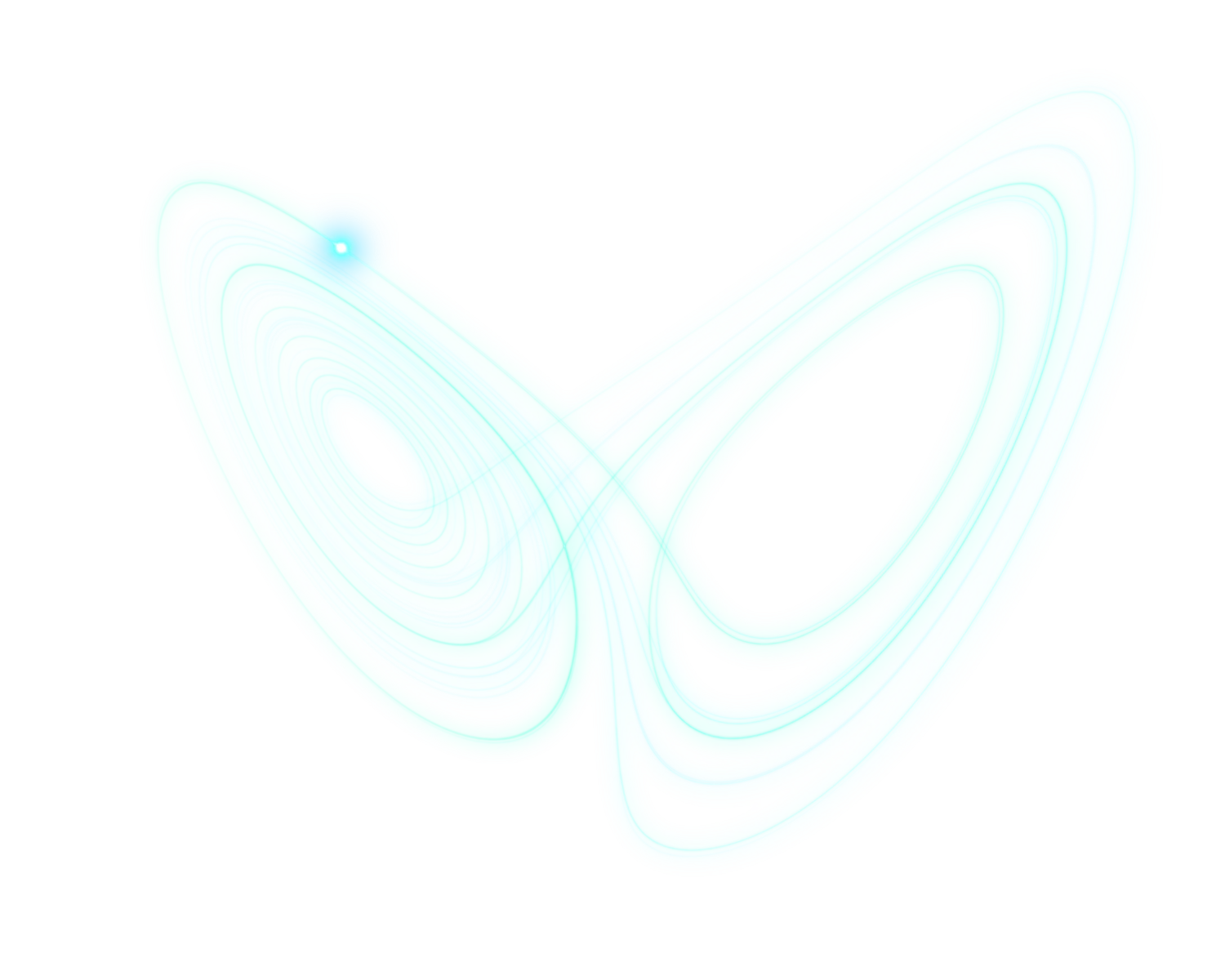
The cells never leave the plate. The robot changes their conditions. We watch.
What comes back is a model. Which conditions make these cells work, with the evidence attached.
Every condition the robot sets is a perturbation; every frame is a measurement. From that time series we fit a causal model of how the cells respond, the approach Karen Sachs introduced for single-cell perturbation data in Science (2005).
Founders
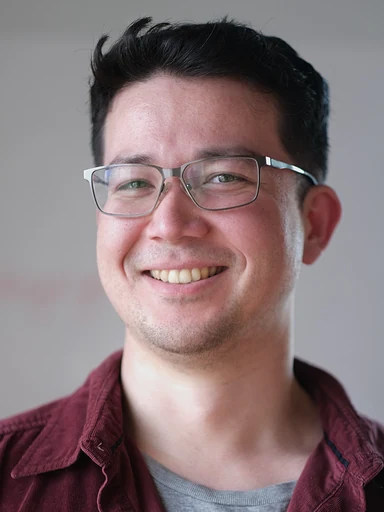
Co-founder & Engineer
Bioengineering, cognitive science, neuroscience at UC Santa Cruz. Variant discovery across 10,000+ genomes at Gladstone and Answer ALS. With the Gyori lab, the belief model: does the paper actually say this causes that.
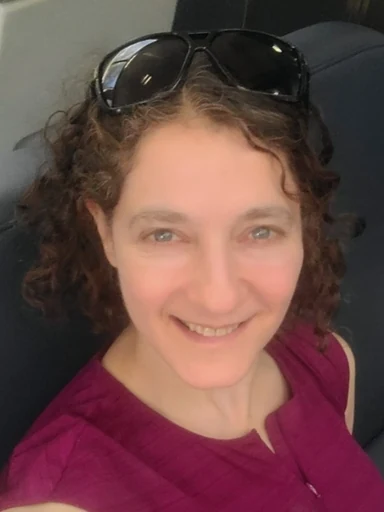
Co-founder · CSO/CTO
MIT PhD, biological engineering. Stanford Medicine postdoc. Causal networks from single-cell perturbation data; Science Breakthrough of the Year runner-up. 60+ papers.
If you run a wet lab, or hold perturbation data, write.
Open hardware under CERN-OHL-S-2.0 · Aeon-Bio on GitHub