aeon.science
日本語Open hardware for live-cell experiments.
Change something. Watch.
See how it works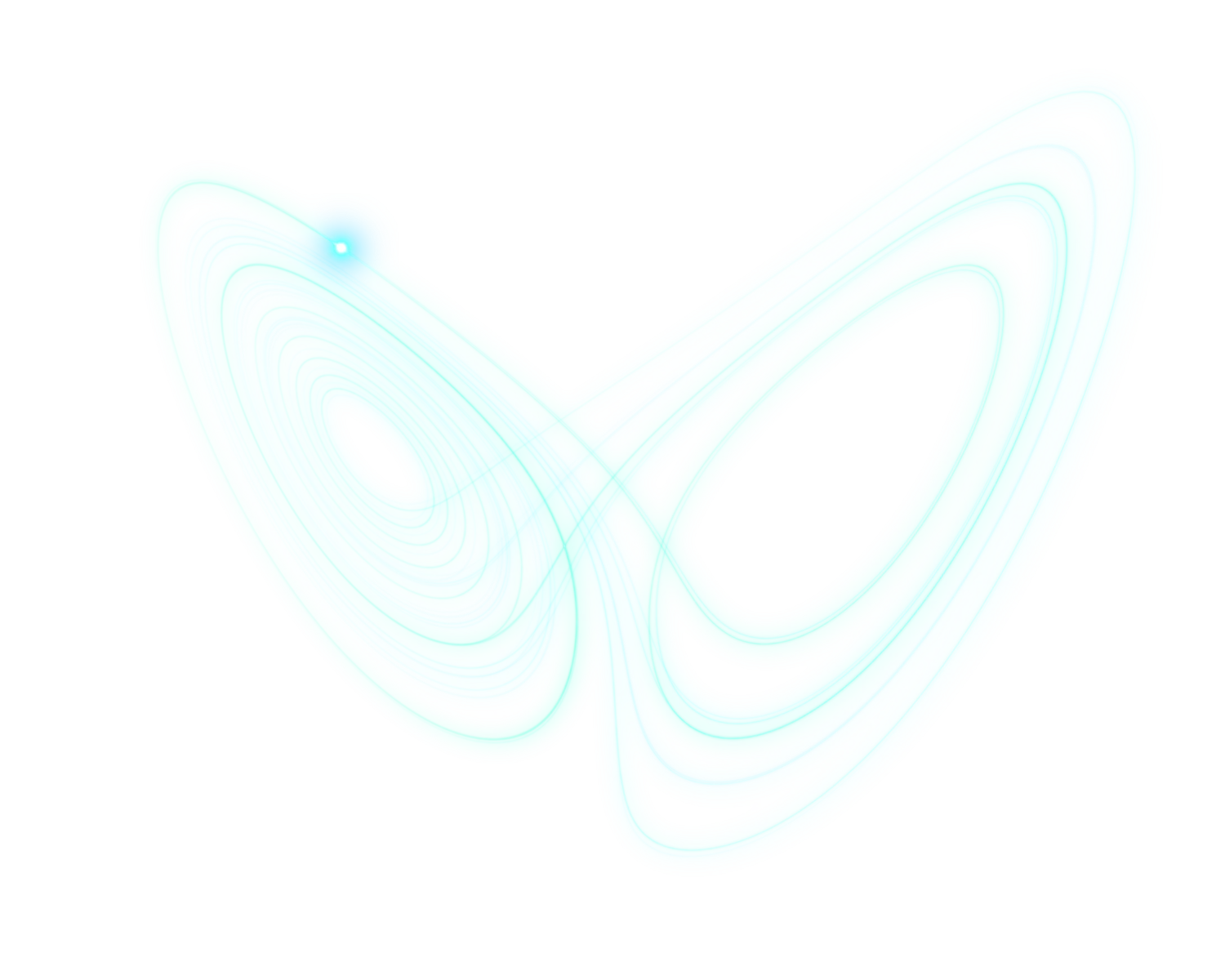
One person’s cell. Asked, and asked again.
Something arrives. The cell answers in light. Nothing is destroyed to be read.
Where this points: a hospital that asks a person’s own cells before it treats them.
What comes back is an answer. Which condition, at which strength, for these cells.
Every condition the robot sets is a perturbation; every frame is a measurement. From that time series we fit a causal model of how the cells respond, the approach Karen Sachs introduced for single-cell perturbation data in Science (2005).
Founders
The instrument is in design and has not yet held cells. Eric is in Kobe until November 2026, asking the people who run cell assays what they measure and what is slow about it.
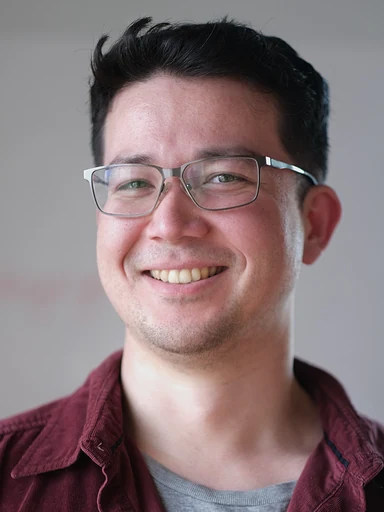
Co-founder & Engineer
Bioengineering, cognitive science, neuroscience at UC Santa Cruz. Variant discovery across 10,000+ genomes at Gladstone and Answer ALS. With the Gyori lab, the belief model: does the paper actually say this causes that.
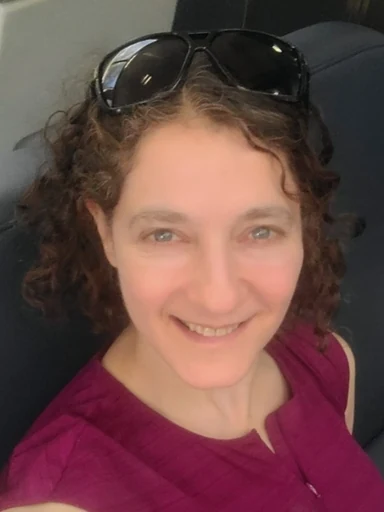
Co-founder · CSO/CTO
MIT PhD, biological engineering. Stanford Medicine postdoc. Causal networks from single-cell perturbation data; Science Breakthrough of the Year runner-up. 60+ papers.
If you run a wet lab, or hold perturbation data, write.
Open hardware under CERN-OHL-S-2.0 · Aeon-Bio on GitHub